
I'm going to be straight with you — this is one of those questions where the answer really is "it depends." But that dosen't mean there isn't a clear winner for your situation. We install both LVP and hardwood flooring just about every week, and the homeowners who end up happiest are usually the ones who understood the trade-offs before they committed.
So let's actually talk about what those trade-offs are.
The Durability Question
This is where LVP gets most of its hype, and honestly, its deserved. Modern luxury vinyl plank is genuinely tough stuff. It's waterproof (not water-resistant — actually waterproof), scratch-resistant, and can handle the kind of punishment that would destroy real wood. If you have dogs, young kids, or a mudroom that gets hammered every time it rains, LVP is hard to beat on pure durability.
Hardwood is more delicate — there's no getting around that. It scratches, it dents, and it doesn't love moisture. But here's what people forget: hardwood can be refinished. A solid hardwood floor can be sanded down and refinished 3 to 5 times over its lifetime. That means a well-maintained oak floor can easily last 75 to 100 years. When your LVP wears out in 15 to 25 years, it goes in a dumpster. When hardwood wears out, it gets a new finish and looks brand new again.
So which is more durable? LVP wins day-to-day. Hardwood wins across a lifetime. Depends on your time horizon.
What It Actually Costs
Here's what we typically see for installed prices in the Bucks County area:
LVP installed: $4 to $9 per square foot, including materials and labor. A good mid-range product like COREtec runs about $6 to $7 installed.
Hardwood installed: $8 to $18 per square foot. Standard red oak at $8-$10, white oak at $10-$14, and premium wide-plank or exotic species pushing $14-$18.
So yes, hardwood is roughly double the upfront cost. But the cost picture changes when you factor in that hardwood adds more to your home's value and lasts significantly longer. On a per-year basis, they're actually pretty close.
The Resale Value Factor
This is the one area where hardwood wins convincingly, and it's not even close. Real estate agents in Doylestown, Newtown, and Yardley will all tell you the same thing: buyers notice hardwood floors. Studies consistently show that hardwood flooring returns between 70% and 80% of its cost at resale, and homes with hardwood sell faster.
LVP? Buyers appreciate it in basements, mudrooms, and kitchens. But nobody's writing about a home's "gorgeous luxury vinyl plank floors" in a listing description. Its just the reality of how buyers perceive value.
Where Each One Makes Sense
Install Hardwood When:
You're doing the main living areas — living room, dining room, hallways, bedrooms. Especially in older Bucks County homes where the character of real wood matches the architecture. Also the right call if resale value matters to you, or you just prefer the warmth and feel of real wood underfoot. There's a reason people have been putting hardwood in homes for 300 years.
Install LVP When:
Basements. Full stop — even engineered hardwood has its limits below grade. Also great for kitchens, laundry rooms, mudrooms, bathrooms, and any high-moisture area. Rental properties are another obvious one — tenants are harder on floors, and LVP can take the abuse without needing refinishing between tenants. We do alot of LVP work in Bensalem and Levittown investment properties for exactly this reason.
What About Maintenance?
LVP is almost zero maintenance. Sweep it, mop it with whatever you want, done. You can't really mess it up.
Hardwood requires a bit more care — use a hardwood-specific cleaner (not Swiffer Wet, not Murphy's Oil Soap), keep humidity between 35-55%, and use felt pads under furniture. It's not difficult, but it does require some awareness. The trade off is that when hardwood ages, it develops a patina that most people find beautiful. When LVP ages, it just looks... old.
The Installation Difference
LVP installs faster. Most rooms take a day or less, and you can walk on it immediatly. Hardwood takes longer — nailing down each board, cutting precisely around door frames, and if you're doing site-finished hardwood, you need to add 2-3 days for sanding and finishing plus dry time.
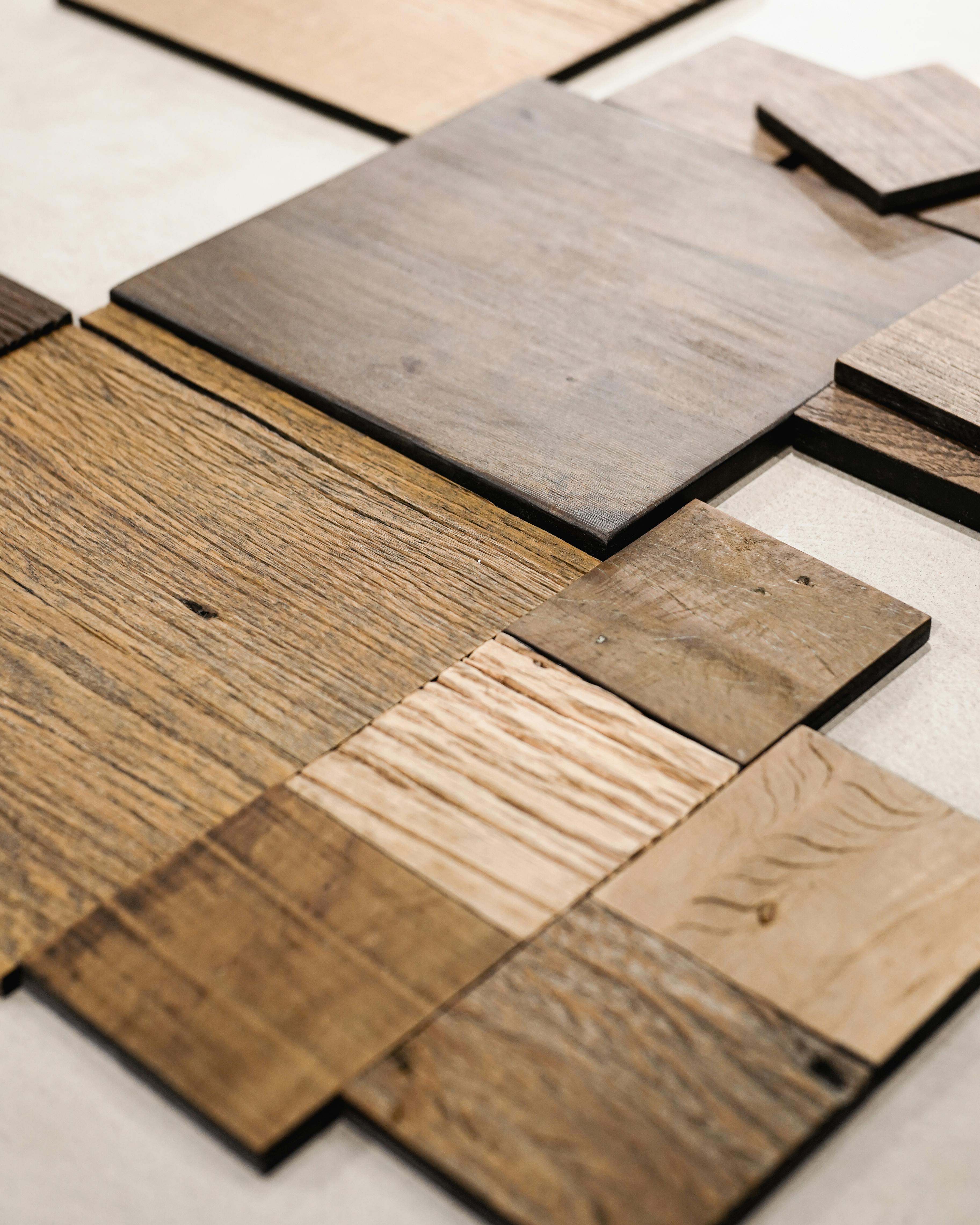
One thing we offer that's worth mentioning: if you've already bought your flooring material — whether that's LVP from Home Depot or hardwood from a specialty supplier — we do installation-only (labor only) projects. You don't have to buy materials through us to get professional installation.
So Which Should You Choose?
After installing both products in hundreds of Bucks County homes, here's my honest recommendation: use both. The best flooring plans we put together usually have hardwood in the main living spaces where you see it and feel it every day, and LVP in the practical areas where moisture and heavy use are the priority.
There's no rule that says your whole house has to be one material. The homes that look best and function best almost always mix. Modern LVP products can be color-matched pretty closely to hardwood, so the transitions look intentional rather than mismatched.
Want help figuring out what makes sense for your specific home? That's literally what our free in-home estimates are for. We bring samples of both, look at your space, and give you honest advice — even if that advice is "just do LVP everywhere, you don't need hardwood here."
Need Help Deciding?
We'll bring hardwood and LVP samples to your home so you can compare in your own space.
Get a Free Estimate